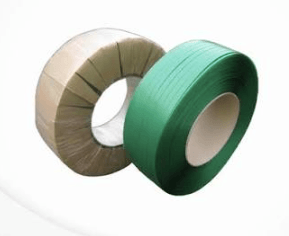
Across industries ranging from building materials to metal fabrication, securing heavy or awkwardly shaped loads for transport requires strapping materials capable of withstanding significant tension without stretching excessively or losing grip over time. Polyester strapping has established itself as a go-to solution for these demanding applications, offering performance characteristics that make it particularly suited to heavy industrial use cases.
Material Properties That Drive Performance
Polyester strapping is engineered to combine high tensile strength with relatively low elongation under load, meaning the strap maintains its applied tension effectively rather than stretching and loosening as the strapped load settles or shifts during handling and transport. This characteristic makes it particularly valuable for securing rigid, heavy loads such as bricks, lumber, metal coils, and other building or industrial materials where load stability directly affects transportation safety.
Comparing Polyester to Alternative Strapping Materials
While polyester strapping shares some characteristics with other plastic strapping materials, its specific tension retention properties generally exceed those of polypropylene strapping, making it better suited to heavier applications where load settling over time could otherwise compromise strap tension. Compared to steel strapping, polyester offers meaningful safety advantages related to handling risk and corrosion resistance, while still delivering strength suitable for many applications previously reliant on steel.
Weather and Environmental Resistance
Polyester strapping generally maintains its performance characteristics across a range of environmental conditions, including exposure to moisture and temperature variation during outdoor storage or transport, making it well suited to applications where strapped loads may be exposed to variable weather conditions before reaching their final destination. This environmental resilience contributes to its popularity in building materials and outdoor storage applications.
Application in Heavy Industrial Settings
Metal fabrication facilities, brick and building material manufacturers, and lumber yards commonly rely on polyester strapping to secure bundled or palletized products for shipment, given the material’s ability to handle the substantial tension required for heavy, rigid load types without the safety concerns associated with steel strapping edges during handling.
See also: Unlocking Bookkeeping Secrets for Business Growth 8449161194
Selecting Appropriate Strap Specifications
Matching strap width, thickness, and break strength rating to the specific weight and characteristics of the load being secured remains essential for reliable performance. Underspecifying strap strength for heavy loads risks strap failure during transport, while overspecifying unnecessarily increases material costs without providing meaningful additional benefit for lighter applications.
Equipment and Application Considerations
Polyester strapping application typically requires appropriate tensioning and sealing equipment matched to the specific strap specification being used, and operations transitioning from other strapping materials should confirm their existing equipment is compatible with polyester strap characteristics before making a full material switch.
Conclusion
Polyester strapping delivers a reliable combination of strength, tension retention, and environmental resistance that makes it well suited to demanding industrial applications involving heavy, rigid loads. Careful specification matching to actual load requirements ensures companies achieve dependable load security performance across their shipping and storage operations.
FAQs
Q1: What types of loads is polyester strapping best suited for? Heavy, rigid loads such as bricks, lumber, and metal products benefit most from polyester strapping’s superior tension retention compared to lighter-duty strapping materials.
Q2: How does polyester strapping perform in outdoor storage conditions? It generally maintains its strength and tension characteristics well across varying moisture and temperature conditions, making it suitable for outdoor storage applications.
Q3: Can I switch from steel to polyester strapping without changing equipment? Not always; confirm that your existing tensioning and sealing equipment is compatible with polyester strap specifications before making a full transition.