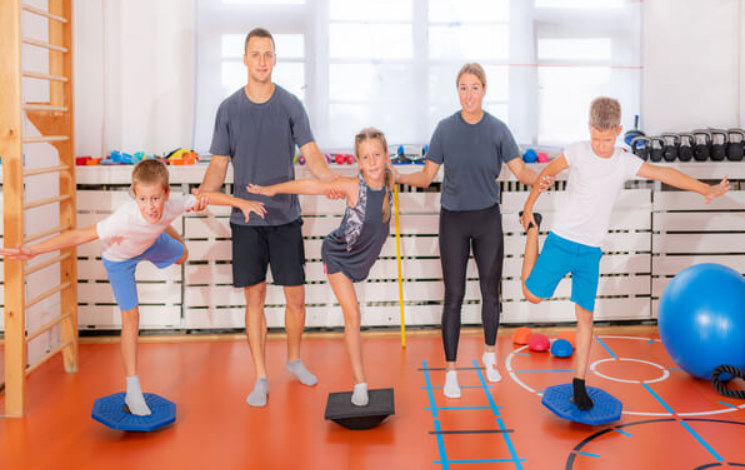
Improving Rendimiento Fisico—or physical performance—is one of the smartest investments anyone can make for long-term health, productivity, and overall well-being. Whether you’re an athlete, a weekend gym-goer, or simply someone aiming to feel stronger and more energized, understanding how physical performance works is essential. This guide breaks down the science, key benefits, influential factors, and top training strategies to help you elevate your physical abilities in a sustainable and effective way.
Understanding Rendimiento Fisico
At its core, Rendimiento Fisico refers to the body’s ability to perform physical tasks efficiently, safely, and with optimal energy use. It encompasses everything from cardiovascular endurance and muscular strength to mobility, coordination, and even mental resilience. When these components work together, the body becomes more capable of handling both daily tasks and demanding athletic challenges.
See also: Water Filters Explained: From Pitchers to Whole-Home Systems
Core Elements of Physical Performance
To fully grasp how to improve Rendimiento Fisico, it’s important to understand its primary components:
- Strength: The ability of muscles to exert force against resistance.
- Endurance: How long the body can sustain activity.
- Flexibility: A joint’s range of motion.
- Agility: Quick and efficient movement changes.
- Balance: Control over body position, essential for injury prevention.
Physiological Processes Behind Rendimiento Fisico
Several internal systems contribute to strong physical performance:
- Cardiovascular efficiency improves oxygen delivery.
- Muscular adaptations increase force and power.
- Metabolic functions boost energy production and nutrient utilization.
When trained correctly, these systems adapt and improve, leading to significantly higher physical capacity.
Key Factors That Influence Rendimiento Fisico
Achieving peak Rendimiento Fisico involves more than exercise. Several internal and external factors collectively shape performance.
Genetic Components
Genetics play a role in muscle fiber distribution, lung capacity, and even recovery rate. While genes influence potential, they don’t determine destiny—consistent training can compensate for natural limitations.
Nutrition and Hydration
Food is fuel, and without proper nutrition, performance suffers.
Key elements include:
- Carbohydrates: Primary energy source
- Protein: Muscle repair and growth
- Fats: Long-term energy and hormone production
- Vitamins & minerals: Cellular function and muscle contraction
- Water: Regulates temperature and prevents early fatigue
Rest and Recovery
Many overlook recovery, but it’s crucial for improving Rendimiento Fisico.
Sleep helps:
- Repair tissues
- Restore hormones
- Consolidate motor learning
High performers prioritize rest to maximize results.
Training Consistency and Load Management
Progress happens gradually.
Key principles include:
- Progressive overload: Increasing intensity over time
- Periodization: Structured training cycles
- Consistency: Regular practice builds long-term adaptation
With these principles, anyone can achieve sustainable improvement.
Benefits of Improving Rendimiento Fisico
Boosting Rendimiento Fisico delivers powerful advantages that extend far beyond athletic performance.
Health and Longevity
Stronger physical performance leads to:
- Reduced risk of chronic diseases
- Improved heart health
- Better metabolic function
- Enhanced joint and muscle resilience
Cognitive and Emotional Benefits
Physical training supports the mind as much as the body:
- Lower stress levels
- Better focus and memory
- Improved self-esteem
- Reduced symptoms of anxiety and depression
Performance in Sports and Work
Enhanced Rendimiento Fisico increases productivity by:
- Improving energy levels
- Boosting reaction speed
- Enhancing stamina throughout the day
These benefits apply to all age groups and activity levels.
Effective Training Methods to Boost Rendimiento Fisico
Different goals require different training strategies. Here are the top methods proven to elevate physical performance.
Strength Training Methods
Strength training increases muscle mass, power, and bone density.
Common approaches include:
- Hypertrophy training: Moderate weight, high volume
- Powerlifting methods: Heavy weights, low reps
- Resistance training: Bodyweight, bands, free weights
Cardiovascular and Endurance Training
Cardio supports heart health and stamina.
Popular methods include:
- HIIT (High-Intensity Interval Training): Fast, effective conditioning
- LISS (Low-Intensity Steady-State): Jogging, cycling, brisk walking
- Sport-specific cardio: Swimming, rowing, running drills
Flexibility and Mobility Work
Maintaining flexibility prevents injuries and improves movement quality.
Effective practices include:
- Dynamic stretching
- Static stretching
- Mobility drills for hips, shoulders, and spine
Functional Training Techniques
These methods enhance real-life movement patterns:
- Squats
- Lunges
- Rotational exercises
- Core stability work
Functional training is ideal for athletes and everyday individuals alike.
Creating a Personalized Training Plan
A tailored approach ensures safe and efficient progress.
Steps include:
- Define clear goals (fat loss, muscle gain, endurance, etc.)
- Assess current fitness levels using basic tests
- Develop a balanced weekly routine
- Adjust load based on progress
Monitoring Progress and Adjustments
Track improvements using:
- Performance tests
- Wearable technology
- Workout logs
- Recovery indicators
Consistent monitoring boosts motivation and ensures long-term success.
Common Mistakes That Limit Rendimiento Fisico
Avoid these errors to maintain steady progress:
- Overtraining without proper recovery
- Ignoring warm-ups and mobility
- Poor exercise technique
- Imbalanced training programs
- Underestimating nutrition’s importance
Correcting these mistakes leads to quicker and safer improvement.
Frequently Asked Questions (FAQs)
1. What does Rendimiento Fisico mean?
It refers to the body’s ability to perform physical tasks efficiently, combining strength, endurance, mobility, and coordination.
2. How can I improve my Rendimiento Fisico quickly?
Focus on consistent training, proper nutrition, adequate sleep, and balanced workout routines.
3. Is strength training necessary for better physical performance?
Yes. Strength training improves muscle power, stability, and injury resistance.
4. How much water should I drink for optimal performance?
Most adults need 2–3 liters daily, with more required during intense activity.
5. Can beginners improve their Rendimiento Fisico?
Absolutely. Simple, structured training and good habits lead to noticeable improvements within weeks.
6. What is the best training method for overall performance?
A combination of strength training, cardio, and mobility work delivers the best results.
Conclusion
Rendimiento Fisico is more than just fitness—it’s a complete approach to enhancing health, energy, and mental well-being. By understanding the factors that influence performance and applying effective training methods, anyone can build a stronger, more resilient body. Start small, stay consistent, and let your progress guide the way toward long-lasting physical excellence.