Review Public Registry Reports for 3291784280, 3511013584, 3246253200, 3451752071, 3207754766

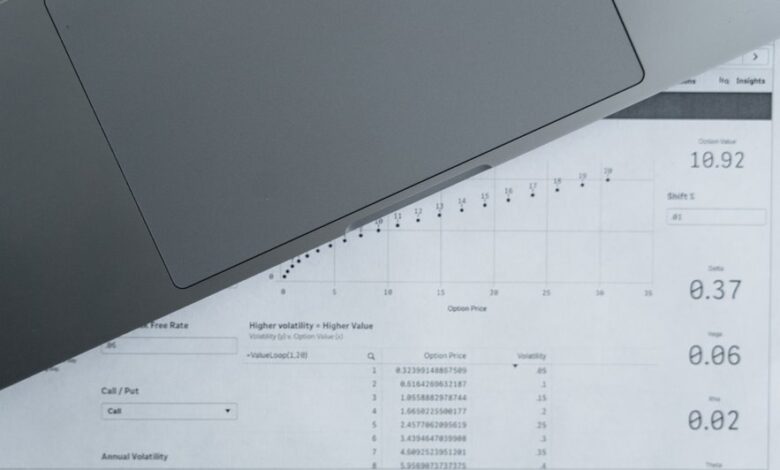
Public registry reports serve as crucial tools for understanding property ownership and market dynamics. The analysis of reports 3291784280, 3511013584, 3246253200, 3451752071, and 3207754766 reveals notable trends and anomalies. These insights highlight shifts in property valuations and transaction patterns. Stakeholders can benefit from this information, but questions remain about the implications of these findings. What specific trends will emerge as further analysis unfolds?
Why Public Registry Reports Matter
Public registry reports play a crucial role in enhancing transparency and accountability within various sectors.
They facilitate public transparency through improved data accessibility, allowing individuals to verify information easily. Such reports ensure legal compliance, fostering trust among stakeholders.
Additionally, they promote consumer awareness, empowering citizens to make informed decisions.
Ultimately, public registry reports serve as vital tools for a more open and accountable society.
Ownership Insights From Report 3291784280
Examining Report 3291784280 reveals significant insights into ownership patterns and trends within the specified sector.
The analysis highlights prevailing ownership trends that influence property valuation, reflecting shifts in market dynamics and investor preferences.
Understanding these patterns can empower stakeholders to make informed decisions, ultimately fostering a more transparent and equitable landscape for property ownership.
Such insights are crucial for promoting individual freedom in real estate.
Transaction Analysis for Report 3511013584
It reveals distinct transaction patterns that highlight regularities and anomalies, pointing to potential financial discrepancies. Such insights are essential for stakeholders seeking to understand market dynamics and ensure transparency.
Comparing Reports 3246253200, 3451752071, and 3207754766
Analyzing Reports 3246253200, 3451752071, and 3207754766 reveals significant variations in transaction patterns that warrant attention.
Each report exhibits distinct characteristics, influencing overall assessments.
Utilizing comparison metrics, discrepancies in frequency and volume are highlighted, indicating differing operational strategies.
Such insights are crucial for stakeholders seeking to optimize their understanding of market dynamics and enhance decision-making processes based on these reports.
Conclusion
In a world where property ownership often resembles a game of Monopoly, the insights gleaned from these public registry reports serve as much-needed rulebooks. While stakeholders may revel in the illusion of transparency, the stark realities of ownership patterns and transaction discrepancies suggest a more chaotic board game. Thus, as players strategize their next moves, one must wonder if the true winners are those who understand the complexities of the rules—or those who simply bend them.